Fractional shares let you buy a portion of a share rather than a whole one, making expensive stocks like Amazon, Tesla and Nvidia accessible from as little as £1. Platforms like Trading 212, eToro and Freetrade offer fractional share trading in the UK, including inside a stocks and shares ISA.
Some of the world's best-known companies have share prices running into hundreds or even thousands of pounds. Before fractional shares, investing in these companies meant committing a large sum to a single stock. Fractional shares solve this problem by letting you invest any amount, regardless of the share price.
This guide explains how fractional shares work, which UK platforms offer them, how they are taxed and whether they are right for your portfolio.
What Are Fractional Shares?
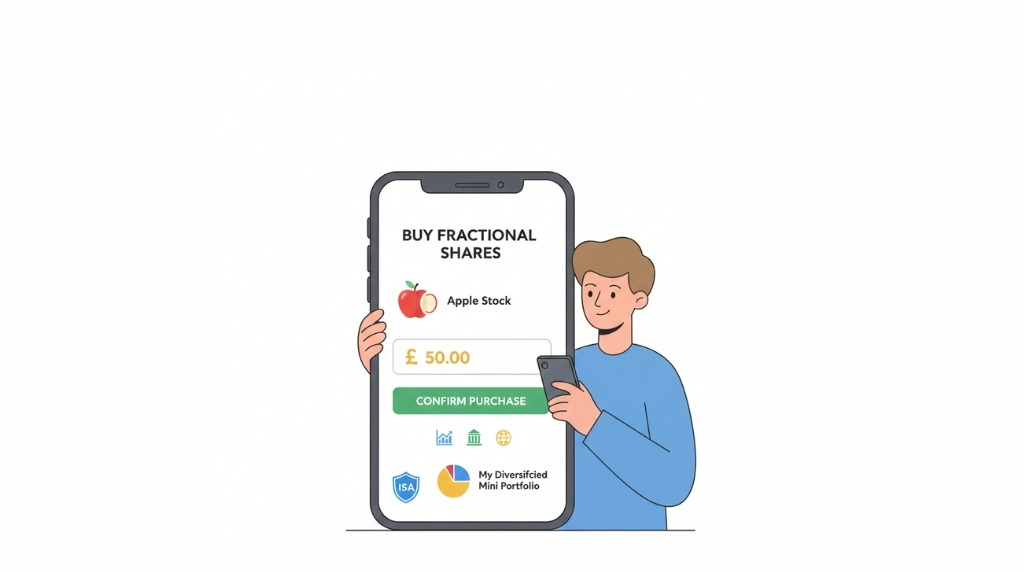
A fractional share is a portion of a whole share. If a company's share price is £500 and you invest £50, you own 0.1 (one-tenth) of a share. You receive the same proportional gains, losses and dividends as a whole share holder.
Fractional shares are not a separate type of investment. They are simply a smaller piece of the same stock. Your platform holds the underlying whole shares and allocates fractional ownership to you. This is made possible by the platform's technology, not by the stock exchange itself.
Key Takeaway: Fractional shares make it possible to build a diversified portfolio of quality companies with any budget. You can invest £50 per month and own slices of 10 different companies rather than saving for months to buy a single whole share.
Which UK Platforms Offer Fractional Shares?
| Platform | Minimum Investment | Fractional Stocks | Fractional ETFs | ISA? | Commission |
| Trading 212 | £1 | Yes (US + UK) | Yes | Yes | Free |
| eToro | $10 (~£8) | Yes (US) | Yes | Yes | Free (0.5% FX) |
| Freetrade | £2 | Yes (US + UK) | Yes | Yes (£59.88/yr) | Free |
| InvestEngine | £1 | No (ETFs only) | Yes | Yes | Free |
| Lightyear | £1 | Yes (US + EU) | No | No | Free (0.35% FX) |
Not all platforms offer fractional shares. Traditional brokers like Hargreaves Lansdown, Interactive Investor and AJ Bell generally do not offer fractional shares for individual stocks (though some offer fractional fund units). If fractional access matters to you, choose a platform that supports it.
How to Buy Fractional Shares in the UK
Step 1: Choose a Platform
Pick an FCA-regulated platform that offers fractional shares. Trading 212 is the most popular choice in the UK, offering fractional shares from £1 with zero commission inside a stocks and shares ISA.
Step 2: Open and Fund Your Account
Open a stocks and shares ISA for tax-free investing, or a General Investment Account. Deposit funds via bank transfer or debit card.
Step 3: Search for a Stock or ETF
Find the company by name or ticker. Select "invest" and enter the amount in pounds rather than the number of shares. The platform calculates the fraction of a share you receive.
Step 4: Place Your Order
Confirm the order. Your fractional share is held in your account like any other investment. You can sell it at any time during market hours.
Benefits of Fractional Shares
Affordable access: Invest in expensive stocks like Berkshire Hathaway, Amazon or Nvidia without needing hundreds or thousands of pounds.
Better diversification: Spread a small budget across many companies instead of concentrating on one or two affordable stocks. Financial advisers typically recommend no single stock represents more than 5% to 10% of your portfolio.
Fixed amount investing: Invest exact pound amounts each month regardless of share prices, making it easy to set up regular investment strategies and pound cost averaging.
Proportional dividends: If you own 0.5 of a share and the company pays a £1 dividend per share, you receive 50p. Dividends are paid proportionally to your fractional holding.
Limitations and Risks
No voting rights: Fractional shareholders typically do not receive voting rights at company AGMs. You own the economic interest but may not have governance rights.
Platform dependent: Fractional shares are a feature of your platform, not a standard exchange product. You cannot transfer fractional shares between platforms. If you move broker, you may need to sell your fractions and rebuy elsewhere.
Limited availability: Not all stocks are available as fractional shares. Availability depends on the platform. US stocks are widely available; UK stocks less consistently so.
Custodial model: On most platforms, fractional shares are held in the broker's name (nominee account) rather than directly in yours. This is standard practice and regulated by the FCA.
Warning: Fractional shares cannot be transferred between platforms. If you switch brokers, you will need to sell your fractional holdings first. This may trigger a capital gains tax event if held outside an ISA.
Tax Rules for Fractional Shares
Inside an ISA: All gains and dividends from fractional shares held in a stocks and shares ISA are completely tax-free. This is the same treatment as whole shares (Source: HMRC, 2025/26).
Outside an ISA: Fractional shares are taxed identically to whole shares. Gains above the £3,000 annual CGT allowance are taxed at 18% or 24%. Dividends above the £500 dividend allowance are subject to dividend tax.
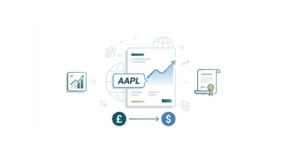
US shares: If you buy fractional US shares, a 15% withholding tax applies to dividends under the W-8BEN treaty (30% without). Your platform usually handles this form. See our Tesla and Nvidia guides for details.
Frequently Asked Questions
Are fractional shares safe?
Yes. Fractional shares on FCA-regulated platforms are held in segregated nominee accounts, meaning your holdings are protected if the platform fails. Cash is covered by the FSCS up to £85,000. However, the value of your investments can still fall.
Can I hold fractional shares in an ISA?
Yes. Platforms like Trading 212, eToro and Freetrade allow fractional shares inside a stocks and shares ISA, giving you tax-free gains and dividends.
Do fractional shares pay dividends?
Yes. Dividends are paid proportionally. If you own 0.25 of a share and the dividend is £2 per share, you receive 50p.
What happens if a company does a stock split?
Your fractional holding is adjusted proportionally, just like a whole share. If a company does a 10-for-1 split and you own 0.5 shares, you will hold 5 shares after the split at one-tenth the original price.
Can I transfer fractional shares to another platform?
No. Fractional shares cannot be transferred between platforms. You must sell them first, then transfer the cash or rebuy on the new platform. Whole shares can usually be transferred via the standard stock transfer process.
What is the minimum I can invest?
As little as £1 on Trading 212 and InvestEngine, £2 on Freetrade, or approximately £8 ($10) on eToro.
Are fractional shares good for beginners?
Yes. Fractional shares are one of the best innovations for beginner investors. They remove the barrier of high share prices and allow you to build a diversified portfolio from a small starting amount.
Do I have voting rights with fractional shares?
Typically no. Most platforms do not pass on voting rights for fractional holdings. This is unlikely to matter for most retail investors.
Are fractional shares and ETFs different?
Yes. Fractional shares give you a piece of one specific company. ETFs give you a basket of many companies in one product. Both can be useful. See our guide: Best ETFs UK for comparison.
What are the best stocks to buy as fractions?
Fractional shares are most useful for expensive stocks like Amazon, Tesla, Nvidia and Berkshire Hathaway, where a single whole share costs hundreds or thousands of pounds. They are also good for building diversified portfolios of quality companies with small monthly contributions.
Related Reading
Explore more investing guides on Smart Investor UK:
- How to Buy Shares UK - Complete share buying guide
- How to Buy Tesla Shares UK - Tesla step-by-step
- How to Buy Nvidia Shares UK - Nvidia step-by-step
- Best Trading Platforms UK - Platform comparison
- Trading 212 Review - Top fractional shares platform
- Stocks and Shares ISA Explained - Tax-free investing
- Best ETFs UK - Alternative to single stocks
- Investing Strategies for Beginners - Build your approach
Smart Investor UK is editorially independent. Some links in this article are affiliate links, meaning we may earn a commission if you open an account, at no extra cost to you. This does not affect our editorial independence or the recommendations we make.
Capital at risk. The value of investments can go down as well as up. You may get back less than you invest. Tax treatment depends on individual circumstances and may change. This article does not constitute financial advice. If you are unsure about investing, seek independent financial advice.