Investing your money in the UK means putting it into assets like shares, funds or bonds with the potential to grow over time. Open a stocks and shares ISA with a low-cost platform like Trading 212 or Vanguard, choose a global index fund, and invest regularly. The stock market has historically returned 6–10% per year, beating cash savings and inflation (FCA Financial Lives 2024; Barclays Equity Gilt Study). You can start with as little as £1.
According to the FCA’s Financial Lives Survey (May 2025), 35% of UK adults currently hold investments, representing approximately 19 million people. Yet an estimated 7 million adults with £10,000 or more in cash savings could benefit from investing but do not, citing a lack of knowledge or feeling overwhelmed by the options available (FCA, December 2025).
If you have money sitting in a savings account earning modest interest, you have probably wondered whether there is a better way to make it work harder. The answer, for most people with a time horizon of at least five years, is investing.
This guide walks you through everything you need to know about how to invest money in the UK, from choosing the right account and picking your investments to understanding the tax benefits available to you.
Why Should You Invest Rather Than Save?
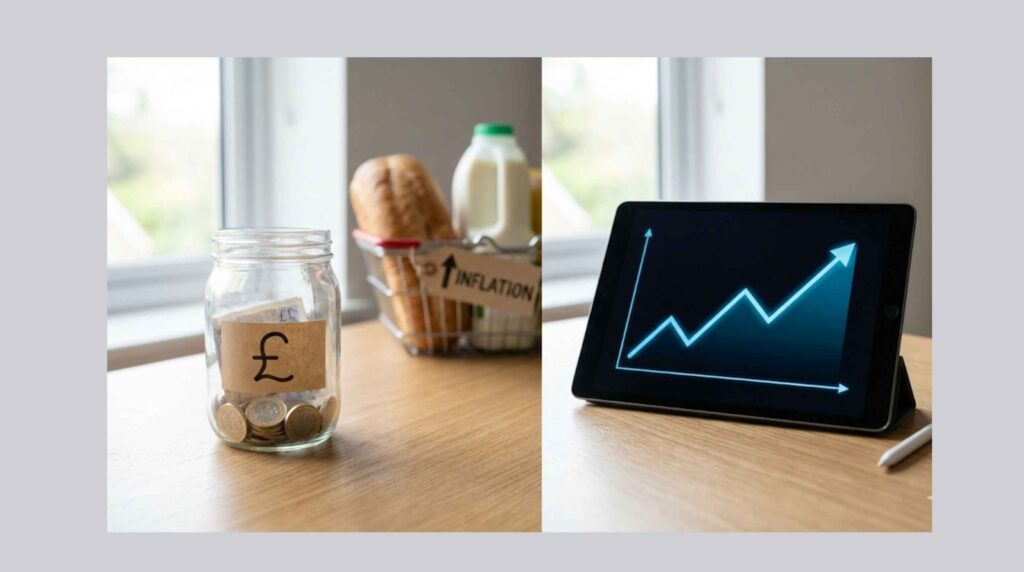
Cash savings alone often struggle to keep up with inflation. When prices rise faster than the interest your savings earn, the real value of your money falls over time, even if the number in your bank account stays the same.
The FCA Financial Lives Survey (2024) found that 61% of people with more than £10,000 in investible assets held at least three-quarters of those assets in cash rather than investments. This means the majority of UK savers are likely missing out on long-term growth.
To put this into perspective, the FTSE 100 has delivered an annualised total return of approximately 6.4% over the last 20 years when dividends are reinvested (Source: Motley Fool/FTSE Russell, November 2025). The S&P 500 has averaged around 10.26% per year since 1957 (Source: IG, December 2024). Compare that to a typical cash savings rate of 3–5% and the difference becomes clear over a decade or more.
The power of compounding also plays a significant role. Someone investing £200 per month at an average annual return of 7% would have approximately £34,600 after 10 years and over £104,000 after 20 years. You can model your own numbers using an investment calculator to see how regular contributions add up.
- Investing has historically beaten cash savings over the long term.
- The FTSE 100 has returned approximately 6.4% per year over 20 years, compared to typical savings rates of 3% to 5%.
- The earlier you start, the more time compounding has to work in your favour.
What Do You Need Before You Start Investing?
Investing is a powerful tool, but it is not the right first step for everyone. Before you put money into the stock market, make sure you have the basics covered.
Build an Emergency Fund
Financial experts, including the Money and Pensions Service (MoneyHelper), recommend having three to six months of essential living expenses saved in an easy access account before investing. This safety net ensures you will not need to sell investments at a bad time to cover an unexpected bill or period without income.
Clear Expensive Debts
If you are carrying high interest debt, such as credit card balances or personal loans with rates above 10%, it usually makes sense to clear those first. The guaranteed "return" from eliminating a 20% interest charge is far better than any likely investment gain.
Set a Time Horizon of at Least Five Years
Investing works best over the medium to long term. According to HSBC, you should be prepared to invest for at least five years to ride out short-term market fluctuations (HSBC, 2026). The stock market can fall significantly in any given year, but historically smooths out over longer timeframes.
Understand Your Risk Tolerance
Everyone has a different comfort level when it comes to watching their investments rise and fall in value. A younger investor with decades until retirement can typically afford to take more risk, while someone closer to needing their money may prefer a more cautious approach.
- Build an emergency fund (3 to 6 months of expenses), clear expensive debts, and make sure you will not need the money for at least five years.
- Only invest with money you can afford to leave untouched.
Which Account Should You Use to Invest?
One of the most important decisions is where to hold your investments. The UK offers several tax-efficient accounts that can significantly reduce the amount you pay in tax on your returns.
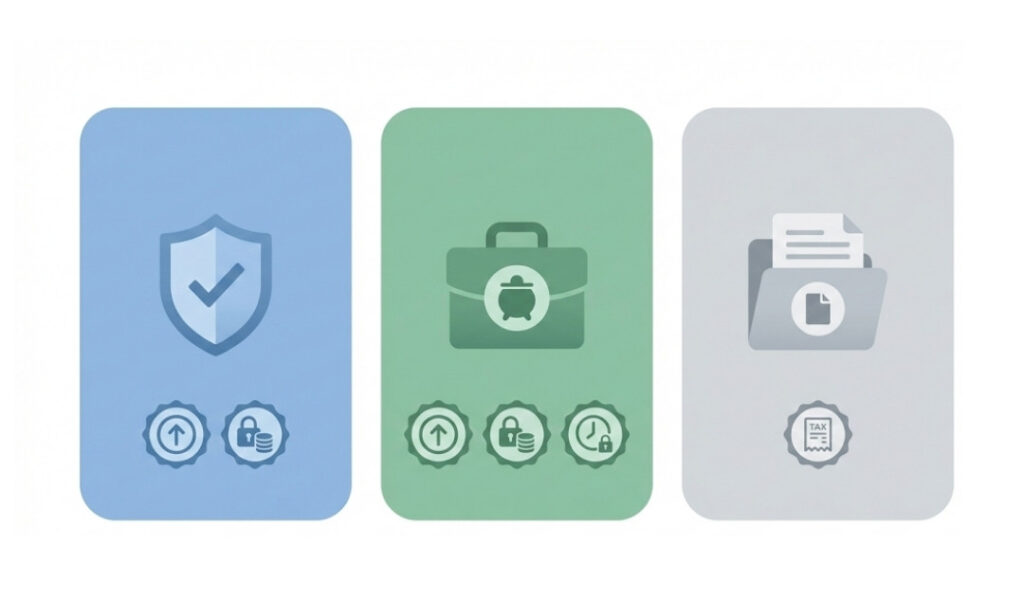
Stocks and Shares ISA
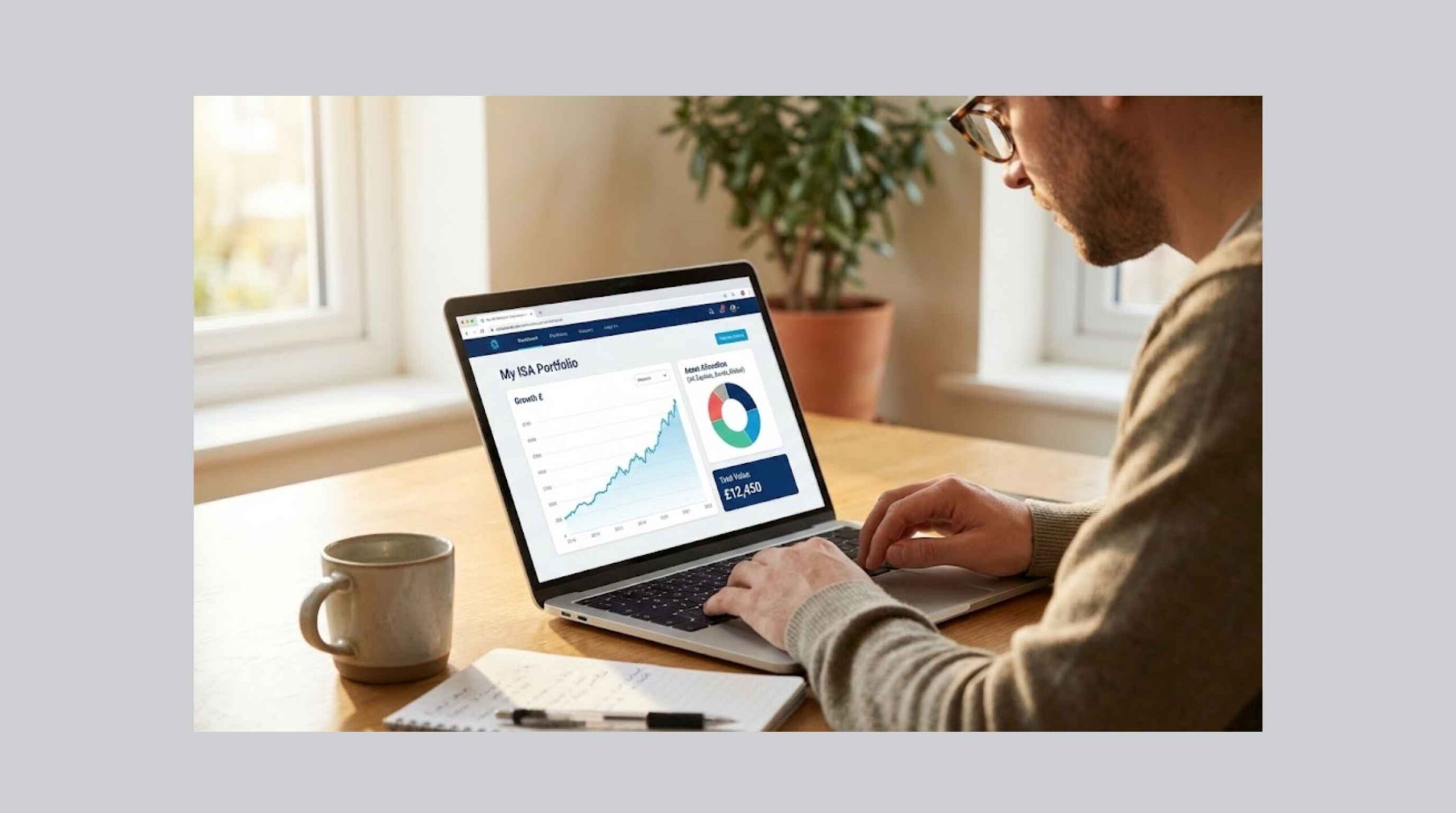
A stocks and shares ISA is the most popular starting point for UK investors. You can invest up to £20,000 per tax year (2025/26), and all returns, including capital gains and dividends, are completely tax free (Source: HMRC, 2025). You never need to declare ISA income on your tax return.
This is the account most beginners should open first. It shelters your investments from both capital gains tax and dividend tax. If you are unsure whether a stocks and shares ISA is right for you, our guide on stocks and shares ISAs explained covers everything in detail.
From April 2024, you can hold multiple ISAs of the same type in a single tax year, giving you more flexibility to split your allowance across different providers (Source: GOV.UK, Budget 2024).
Self-Invested Personal Pension (SIPP)
A SIPP is a pension that gives you full control over your investments. The main advantage is tax relief: the government automatically adds 20% on your contributions. Higher rate taxpayers can claim an additional 20% through Self Assessment. The annual allowance is £60,000 (2025/26), though this tapers for earnings above £260,000 (Source: House of Commons Library, February 2026).
You cannot access your money until age 55 (rising to 57 from 2028). If you are deciding between the two, our SIPP vs ISA comparison breaks down the key differences.
General Investment Account (GIA)
A general investment account has no annual contribution limits, but it does not offer any tax protection. You will pay capital gains tax on profits above £3,000 per year and dividend tax on dividends above £500 (Source: HMRC, 2025/26). Most investors should max out their ISA allowance before using a GIA.
What Should You Invest In?
Once you have chosen your account, you need to decide what to put your money into. There are several main types of investment available to UK investors, each with different levels of risk and return.

Index Funds and ETFs
For most beginners, index funds and exchange-traded funds (ETFs) are the best starting point. These track a specific market index, such as the FTSE 100, S&P 500 or FTSE Global All Cap, giving you exposure to hundreds or thousands of companies in a single investment.
Index funds are also very low cost. Annual charges (the ongoing charges figure, or OCF) typically range from 0.06% to 0.25%. Popular options include the Vanguard FTSE Global All Cap Index Fund (OCF: 0.23%) and the iShares Core S&P 500 ETF (OCF: 0.07%). Learn more in our guide on how to invest in index funds.
Individual Shares
Buying individual shares means purchasing ownership in a single company. If that company performs well, your shares increase in value and you may receive dividends. The downside is significantly more risk. If you want to buy shares, treat stock picking as a smaller portion of your portfolio rather than your entire strategy.
Bonds and Gilts
Bonds are loans you make to companies or governments in exchange for regular interest payments. UK government bonds (gilts) are lower risk but offer lower returns. You can buy gilts directly or gain exposure through bond funds and ETFs.
Ready-Made Portfolios and Robo-Advisors
If you would rather not choose individual funds, many platforms offer ready-made portfolios. Vanguard’s LifeStrategy range offers five options from 20% to 100% equity. Robo-advisors like Nutmeg and Moneyfarm also offer managed portfolios at competitive fees.
Gold and Alternative Investments
Some investors hold a portion of their portfolio in gold as a hedge against market downturns. For most beginners, alternatives should be a small part of a diversified portfolio.
Common investment types (UK beginners)
| Investment Type | Risk Level | Typical Return | Best For |
|---|---|---|---|
| Global index fund | Medium | 6–10% (historical average) | Most investors, long-term growth |
| Individual shares | High | Varies widely | Experienced investors |
| Bonds and gilts | Low to medium | 2–5% | Capital preservation |
| Ready-made portfolio | Your choice | 4–8% | Hands-off investors |
| Gold | Medium | 5–8% | Diversification, inflation hedge |
- A low-cost global index fund or ETF inside a Stocks and Shares ISA is the simplest and most effective way to invest for most beginners (Source: MoneyHelper, FCA InvestSmart).
Which Investment Platform Should You Use in the UK?
Your investment platform is the service you use to buy, hold and sell investments. When choosing, consider fees, investment range, ease of use and account types.
Low-Cost Platforms for Beginners
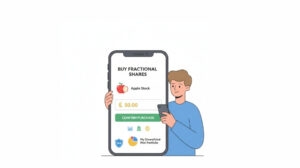
Trading 212 offers commission-free investing with no platform fee on its stocks and shares ISA, access to thousands of shares and ETFs, and fractional shares from £1. It reports over 4.5 million users (Source: Trading 212, 2026).
Vanguard charges just 0.15% (capped at £375/year) and offers around 75 low-cost index funds. Ideal for passive investors.
InvestEngine charges no platform fee for DIY ETF investing, making it one of the cheapest options available.
Traditional Platforms
For investors wanting a wider range, Hargreaves Lansdown and Interactive Investor offer extensive choice with more research tools. Our best trading platforms UK guide compares all the major options.
- For beginners, low-cost platforms like Trading 212 (no fees, fractional shares from £1), Vanguard (0.15% capped) and InvestEngine (0% DIY) offer the best value.
- Fees compound over time, so keeping costs low is critical.
How Much Money Do You Need to Start Investing in the UK?
One of the biggest misconceptions about investing is that you need a large lump sum. That is not the case in 2026. Trading 212 lets you invest from £1 through fractional shares. Vanguard allows monthly contributions from £100 or a £500 lump sum. InvestEngine has no minimum.
Starting small is perfectly fine. Setting up a regular monthly direct debit into your ISA, even £25 or £50 per month, builds the investing habit and takes advantage of pound cost averaging. This means you buy more units when prices are low and fewer when prices are high, smoothing out the impact of volatility.
- You can start investing with as little as £1 on platforms like Trading 212.
- Regular, consistent contributions matter more than the size of your starting amount.

How to Invest Money in the UK: Step-by-Step
Here is a practical walkthrough of how to get started.
Step 1: Open a Stocks and Shares ISA
Choose a platform that suits your needs and budget. You will need your National Insurance number and a form of ID. The application typically takes around 10 minutes online.
Step 2: Fund Your Account
Transfer money via bank transfer or direct debit. Consider setting up a regular monthly contribution so investing becomes automatic. Even £50–£100 per month is a solid start.
Step 3: Choose Your Investments
A single global index fund gives you exposure to thousands of companies worldwide. Popular choices include the Vanguard FTSE Global All Cap Index Fund (OCF: 0.23%), HSBC FTSE All-World Index Fund (OCF: 0.13%) and iShares Core MSCI World ETF (OCF: 0.20%).
Step 4: Invest and Leave It
Resist the urge to check prices daily or make changes based on short-term market movements. Successful investing is about time in the market, not timing the market.
Step 5: Review Annually
Check your portfolio once or twice a year to ensure it aligns with your goals and risk tolerance. Rebalance if necessary, but avoid frequent changes based on market noise.
What Are the Best Investing Strategies for Beginners?
There is no single "best" way to invest, but a few strategies have stood the test of time. Our full guide on investing strategies for beginners covers each in detail.
Buy and Hold
Buy diversified investments and hold them for years or decades. This avoids the costs and stress of frequent trading and benefits from compounding. It is the strategy most financial experts recommend for the majority of investors.
Pound Cost Averaging
Invest a fixed amount at regular intervals (for example, £200 on the first of every month). This smooths out the price you pay over time and removes the emotional pressure of trying to time the market.
Diversification
Spread your money across different asset classes, geographic regions and sectors. A global index fund achieves much of this diversification in a single holding.
What Tax Rules Do UK Investors Need to Know?
Understanding the tax landscape helps you keep more of your returns.
ISA Tax Benefits
Everything inside a stocks and shares ISA grows completely tax free. No capital gains tax, no dividend tax, no income tax on interest. This is why maxing out your £20,000 allowance each year should be a priority (Source: HMRC, 2025/26).
Capital Gains Tax (CGT)
Outside an ISA or pension, you pay CGT on investment profits above £3,000 per year (2025/26). The rate is 18% for basic rate taxpayers and 24% for higher rate taxpayers (Source: GOV.UK, Autumn Budget 2025). Our capital gains tax on shares guide explains this in full.
Dividend Tax
The tax-free dividend allowance is £500. Above that, basic rate taxpayers pay 8.75% (rising to 10.75% from April 2026), while higher rate taxpayers pay 33.75% (rising to 35.75% from April 2026). Source: GOV.UK, Autumn Budget 2025.
Pension Tax Relief
SIPP contributions receive automatic tax relief at 20%, with higher and additional rate taxpayers able to claim further relief through Self Assessment. The annual allowance is £60,000 (Source: House of Commons Library, February 2026).
- Use your ISA allowance first. It is the simplest and most flexible way to invest tax free.
- If you are a higher rate taxpayer, a SIPP offers additional tax relief benefits worth up to 40% on contributions.
What Mistakes Should Beginners Avoid When Investing?
Trying to time the market. Research consistently shows that even professional fund managers struggle to predict short-term movements. Investing regularly and staying the course is more effective.
Putting all your money in one stock. Concentration risk is real. A diversified fund spreading risk across hundreds of holdings is far safer.
Ignoring fees. A 1% annual fee might not sound like much, but over 30 years it can reduce your total returns by tens of thousands of pounds (Source: FCA, 2025).
Selling during downturns. The FTSE 100 has recovered from every major downturn in its history. Selling when prices are low locks in losses and means you miss the recovery.
Not investing at all. The FCA estimates 7 million UK adults with £10,000+ in cash savings could benefit from investing but do not (FCA, December 2025). Leaving money in cash for years while inflation erodes its value is the biggest missed opportunity.

Frequently Asked Questions
You can start with as little as £1 on platforms like Trading 212 that offer fractional shares. Vanguard requires £100 for a lump sum or £100 per month via direct debit. Regular small contributions are an effective way to build wealth over time.
Over the long term, investing has historically produced higher returns. The FTSE 100 has returned approximately 6.4% per year on average over 20 years (Source: FTSE Russell). Cash savings rates, even at their best, rarely exceed 5%. However, investing carries risk. Savings accounts are better for short-term goals or emergency funds.
A low-cost global index fund or ETF is widely considered the best starting point. These track hundreds or thousands of companies worldwide, providing instant diversification at minimal cost. Popular choices include the Vanguard FTSE Global All Cap Index Fund and the iShares Core MSCI World ETF.
UK government gilts and fixed-term savings accounts are among the safest options, but they offer lower returns. Within the stock market, diversified index funds holding thousands of companies are considered lower risk than individual shares. Using a Stocks and Shares ISA also provides tax protection.
It depends on the account. Investments in a Stocks and Shares ISA or SIPP are completely tax free. Outside these wrappers, you may pay CGT on profits above £3,000 and dividend tax above £500 (2025/26). Using an ISA first is the simplest way to avoid investment taxes.
If you invest in a single company, it is theoretically possible. But a diversified fund holding hundreds of companies makes total loss extremely unlikely. Stock markets have recovered from every major downturn historically, though past performance is not a guarantee.
As soon as you have an emergency fund, no high-interest debt, and money you will not need for at least five years. Trying to wait for the best entry point is market timing that rarely works. Time in the market consistently beats timing the market.
Open a Stocks and Shares ISA with a low-cost platform, invest in a global index fund, and set up monthly contributions to keep building. £1,000 is a solid starting point that gives you meaningful diversification through a single fund.
It means investing a fixed amount at regular intervals rather than a lump sum all at once. This smooths out the price you pay over time, reducing the risk of investing everything just before a market dip.
UK investment platforms are regulated by the FCA. If a platform fails, the Financial Services Compensation Scheme (FSCS) protects up to £85,000 per person per firm. Your investments are also held separately from the platform’s own assets (Source: FSCS, 2026).
Related Reading
• How to Start Investing UK: A Complete Beginner’s Guide
• Best Stocks and Shares ISA [2026]
• How to Invest in Index Funds UK
• Investing Strategies for Beginners
Warning
Capital at risk. The value of your investments can go down as well as up, and you may get back less than you invest. Tax treatment depends on your individual circumstances and may change in the future. ISA and SIPP rules apply. This article is for informational purposes only and does not constitute financial advice. If you are unsure about whether investing is right for you, seek independent financial advice.
Editorial Disclosure
Smart Investor UK is an independent personal finance resource. This article does not constitute financial advice. The information provided is for educational purposes only and was accurate at the time of writing (February 2026). Tax rules depend on individual circumstances and may change. The value of investments can fall as well as rise, and you may get back less than you invest. ISA and SIPP rules apply. Always consult a qualified financial adviser if you are unsure whether a product is suitable for your circumstances.