Trading 212 wins on fees (0.15% FX versus 0.99% on Freetrade Basic), investment range (13,000+ versus 7,000+), features (Pies, real-time data, demo account) and Trustpilot ratings (4.6 versus 4.3). Freetrade wins on simplicity, app design and the fact it offers a free SIPP alongside its free ISA. Choose Trading 212 for lowest costs and most features. Choose Freetrade for simplicity or pension investing.
Trading 212 and Freetrade are the two most popular commission-free investing apps in the UK, competing directly for the same audience: cost-conscious investors who want to build a portfolio without paying traditional broker fees.
Both offer zero-commission trading, a free stocks and shares ISA and clean mobile apps. But the similarities mask some meaningful differences in fees, features and investment range that could cost you money if you pick the wrong one.
Head-to-head comparison
| Feature | Trading 212 | Freetrade |
|---|---|---|
| Platform fee | £0 | £0 (Basic) |
| Trading commission | £0 | £0 |
| FX fee | 0.15% | 0.99% (Basic), 0.59% (Std), 0.39% (Plus) |
| S&S ISA | Free | Free |
| ISA flexibility | Not flexible | Flexible |
| SIPP | No | Yes (free on Basic) |
| Cash ISA | Yes | No |
| Investment range | 13,000+ stocks/ETFs | 7,000+ stocks/ETFs/funds |
| Mutual funds | No | Yes |
| Fractional shares | Yes (from £1) | Yes (US stocks only) |
| Pies (auto-invest) | Yes | No |
| Demo account | Yes (£50,000) | No |
Fees: Trading 212 wins
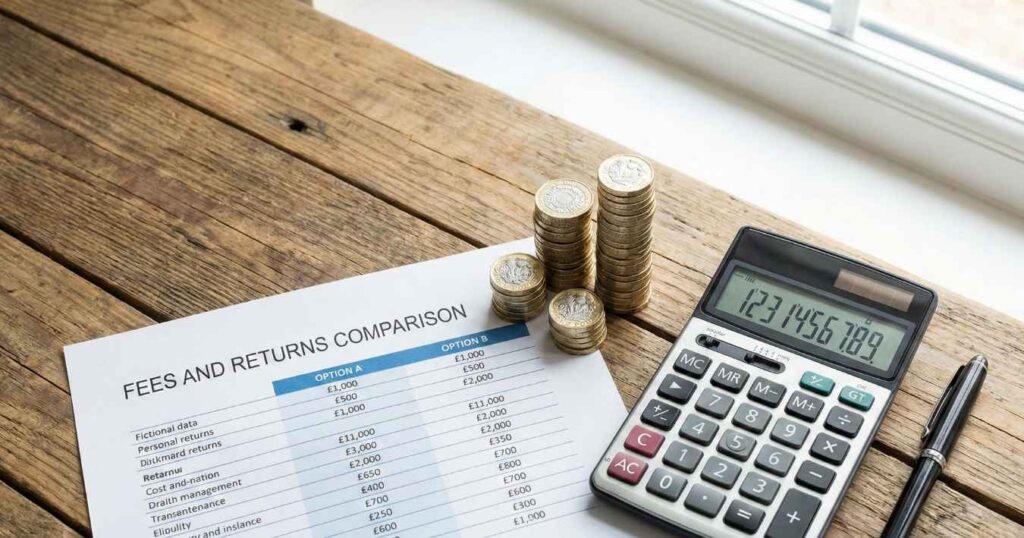
Both platforms charge zero commissions on stock and ETF trades. The critical difference is the foreign exchange fee, which applies every time you buy or sell an investment priced in a currency other than GBP.
Trading 212 charges 0.15% on FX conversions. Freetrade charges 0.99% on the free Basic plan, 0.59% on Standard (£5.99/month) and 0.39% on Plus (£11.99/month).
To put that in real terms: if you invest £1,000 in a US stock, Trading 212’s FX fee costs you £1.50. Freetrade Basic costs you £9.90. Over a year of regular monthly investing in US stocks, that difference compounds meaningfully.
If you only invest in UK-listed stocks and ETFs (priced in GBP), FX fees do not apply and both platforms are equally free.
Verdict: Trading 212 is substantially cheaper for anyone investing in non-GBP assets. For pure UK investing, they are equal.

Investment range: Trading 212 wins on breadth, Freetrade wins on funds
Trading 212 offers over 13,000 stocks and ETFs from UK, US and European markets. Freetrade offers over 7,000 stocks, ETFs, investment trusts, mutual funds and (on paid plans) gilts.
The key difference is what each platform includes beyond stocks and ETFs. Trading 212 does not offer mutual funds, bonds, gilts or investment trusts. Freetrade includes all of these, giving it broader asset class range despite having fewer individual investments.
Both platforms offer fractional shares, but Trading 212 allows fractional investing from £1 across all stocks and ETFs. Freetrade limits fractional shares to US-listed stocks only.
Verdict: Trading 212 for range and flexibility. Freetrade if you specifically want mutual funds or gilts.
ISA: both free, but different
Both platforms offer a free stocks and shares ISA with zero platform fees. The important difference is ISA flexibility. Freetrade offers a flexible ISA (withdraw and redeposit without affecting allowance). Trading 212’s ISA is not flexible.
If you might need to access your ISA money and put it back, Freetrade’s flexible ISA is a genuine advantage. If you are investing for the long term and unlikely to withdraw, the flexibility difference is irrelevant.
For a broader comparison, see our guide to the best stocks and shares ISAstocks and shares ISAs explained.
Verdict: Freetrade for the flexible ISA. Trading 212 for lower ongoing costs within the ISA (due to FX fees).
SIPP: Freetrade wins
Freetrade offers a free SIPP on the Basic plan with commission-free trading and access to stocks, ETFs, mutual funds and gilts. Trading 212 does not offer a SIPP at all.
If you want to manage your pension alongside your ISA on a single platform, Freetrade is the only option. For those focused purely on ISA investing, the SIPP gap is irrelevant.
Verdict: Freetrade is the clear winner for pension investing.
Features and tools: Trading 212 wins
Pies and AutoInvest let you create custom portfolio allocations and automatically distribute deposits according to your targets. This is Trading 212’s standout feature. Freetrade has no equivalent.
Real-time pricing means you see live market prices on Trading 212. Freetrade shows delayed prices on the Basic plan.
Demo account with £50,000 in virtual funds lets you practise investing risk-free on Trading 212. Freetrade does not offer one.
Cash ISA is available on Trading 212 for cash savings. Freetrade does not offer a Cash ISA.
Freetrade’s strengths lie in its simplicity. The discovery section surfaces investments by theme, and the app design is arguably cleaner than Trading 212’s.
Verdict: Trading 212 for features and automation. Freetrade for clean simplicity.

App quality: both strong
Both apps receive strong ratings: Trading 212 at 4.5/5 (iOS) and Freetrade at 4.6/5. On Trustpilot, Trading 212 leads with 4.6/5 from 76,000 reviews versus Freetrade’s 4.3/5 from 7,000 reviews.
Freetrade won the British Bank Awards for Best Online Trading Platform six years running. Trading 212’s app is more feature-dense with Pies, community feed and real-time charts.
Verdict: Freetrade for design simplicity. Trading 212 for functionality. Both are excellent.
Safety and regulation
Both platforms are FCA-regulated with FSCS protection up to £85,000 and segregated client accounts. Trading 212 is a private, profitable company with over £25 billion in client assets. Freetrade is owned by IG Group, a FTSE 250 company.
For a deeper look at Trading 212’s safety credentials, read Is Trading 212 Safe?
Verdict: Both are equally safe with strong regulatory protection.
Which should you choose?
Choose Trading 212 if: You invest in US or international stocks and want the lowest FX fees. You want automated portfolio features through Pies. You want the widest range of stocks and ETFs. You are a beginner who would benefit from a demo account.
Choose Freetrade if: You need a SIPP for pension investing. You want a flexible ISA. You prefer mutual funds or gilts. You want the simplest app experience. You primarily invest in UK-listed stocks.
Read our full Trading 212 reviewTrading 212 stocks and shares ISAfor more detail. New users can get a free share with our Trading 212 promo code .
FAQs
Trading 212 is cheaper for international investing due to its 0.15% FX fee versus Freetrade's 0.99% on Basic. For UK-only investing, both are equally free.
Yes. Since April 2024, you can contribute to ISAs with both in the same tax year within the £20,000 ISA allowance (/isa-allowa).
Trading 212 offers more individual stocks and ETFs (13,000+ versus 7,000+). Freetrade offers mutual funds, gilts and investment trusts that Trading 212 does not.
Both are excellent. Trading 212's demo account and Pies feature provide useful learning tools. Freetrade's cleaner interface may feel less overwhelming for complete newcomers.
Both pay interest on uninvested cash. Trading 212's rate varies with the Bank of England rate. Freetrade offers 1% to 3.5% AER depending on tier. For significant cash holdings, a dedicated Cash ISA (/trading-212-cash-isa-review/) may be more appropriate.
Yes. Both support ISA transfers in. Freetrade supports in-specie transfers (moving investments without selling). Trading 212 only accepts cash transfers. The process typically takes 2 to 4 weeks.
Capital at risk. The value of investments can go down as well as up. ISA and SIPP rules apply. Tax treatment depends on individual circumstances and may change. This guide is for informational purposes only and does not constitute financial advice.